Woodlands Nature Station
Nestled in the heart of the Land Between the Lakes, Woodlands Nature Station is your gateway to wildlife wonders. Encounter bobcats and red wolves, explore our butterfly gardens and hummingbird habitats, come face-to-face with owls, eagles, coyotes and flying squirrels!
The Nature Station is the wildlife and environmental education hub of land Between the Lakes. A unique attraction not to be missed!
Contact Woodlands Nature Station
Phone
(270) 924-2299
Group bookings
(270) 924-2020
Address
Woodlands Nature Station
3146 Silver Trail Road
Cadiz, KY 42211
Hours
April – October | Every day 10am-5pm
March and November | Wed – Sun 10am-5pm
(Closed Thanksgiving Day as well as December through February)
General Admission
Adult (16+) – $7
Youth – Free
(Higher rates may apply to some special events.)
Title
Title
Title
Title
Title

Title
Title
Title
Title

Title
Title
Title
Title
Get Up Close
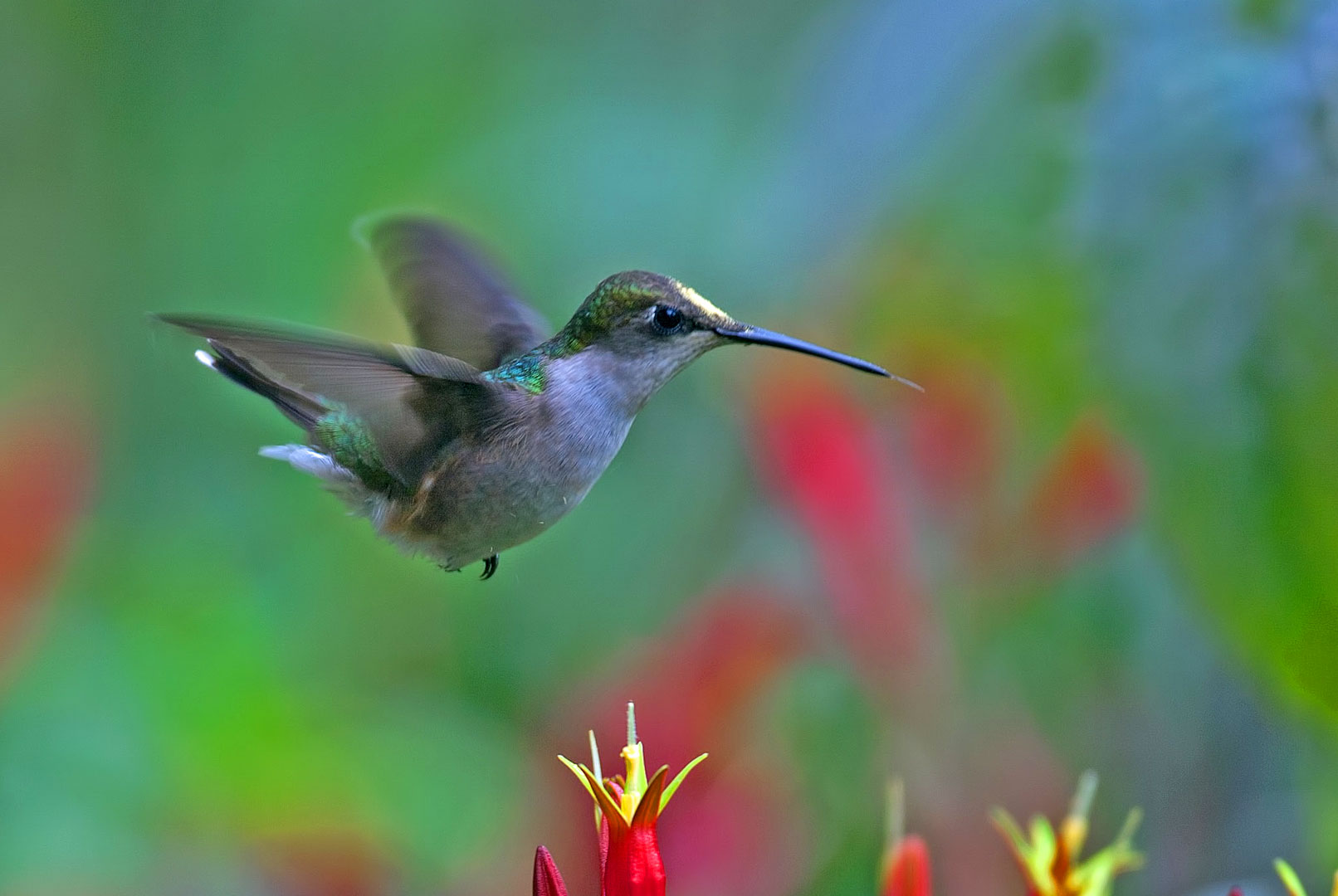
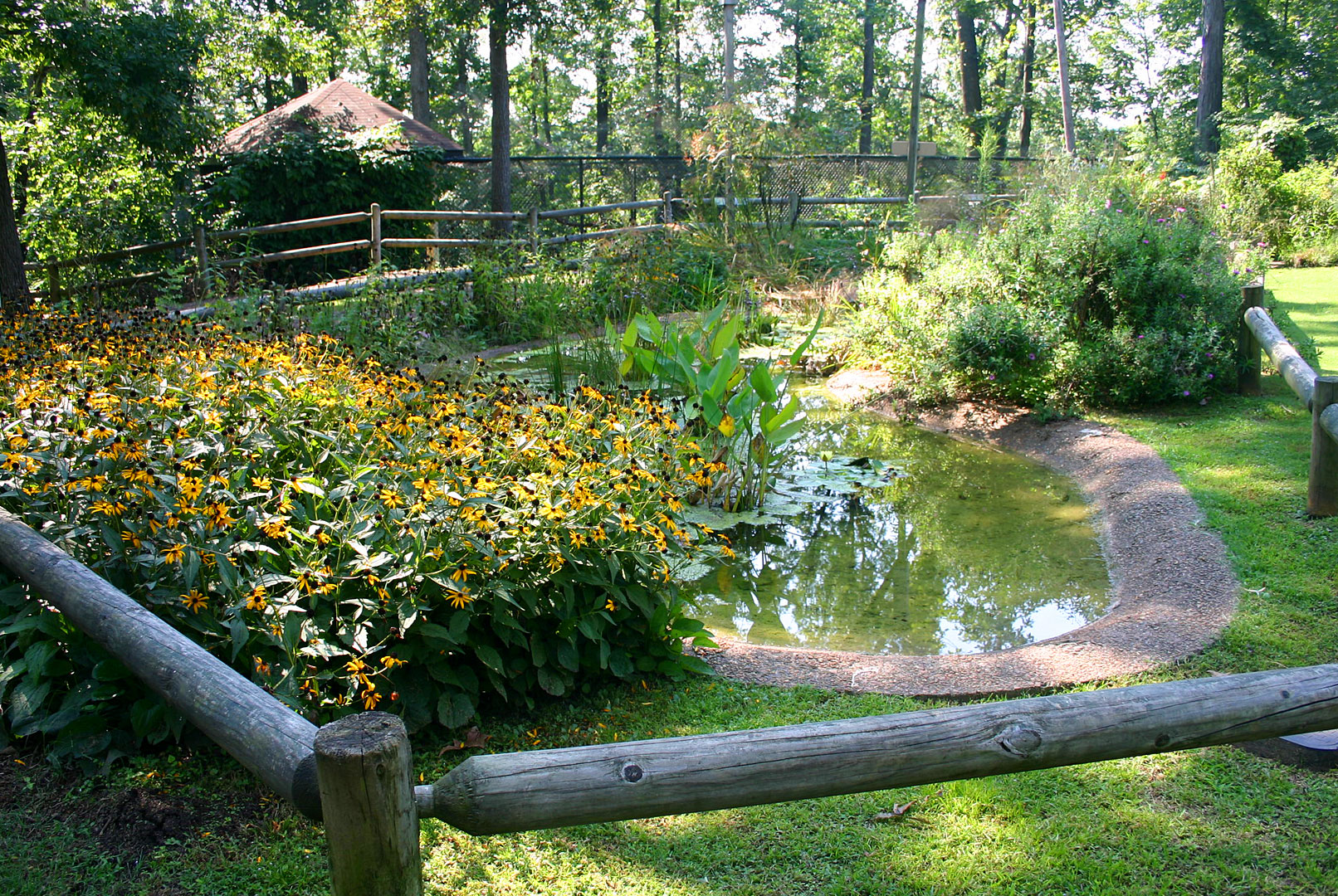
While you visit, you’ll get the opportunity to explore native gardens and the local visiting wildlife. In August, the Nature Station Backyard receives 250 Ruby-throated hummingbirds daily. Or visit in the winter and attend a naturalist-guided van or boat tour to spot a few of the 200 bald eagles that call LBL home in these chilly months.
The Nature Station also offers guided sunset kayak and canoe trips throughout the year as well as guided wildlife and wild edibles hikes throughout the Spring, Summer, and Fall.
How to Get Here
Woodlands Nature Station is located on Silver Trail Road in Land Between the Lakes.
Driving Distance
Guided Tours
Eagle Van Tours | Jan-Feb
Summer Outreach Programs | May-Aug
Sunset Canoe Trips | May-Sept
Kayak Tours | May-Oct
Photo Tours | Year-round
Trail & Nature Watch Intros | Year-round
Birthday Parties | Year-round
Educational programs
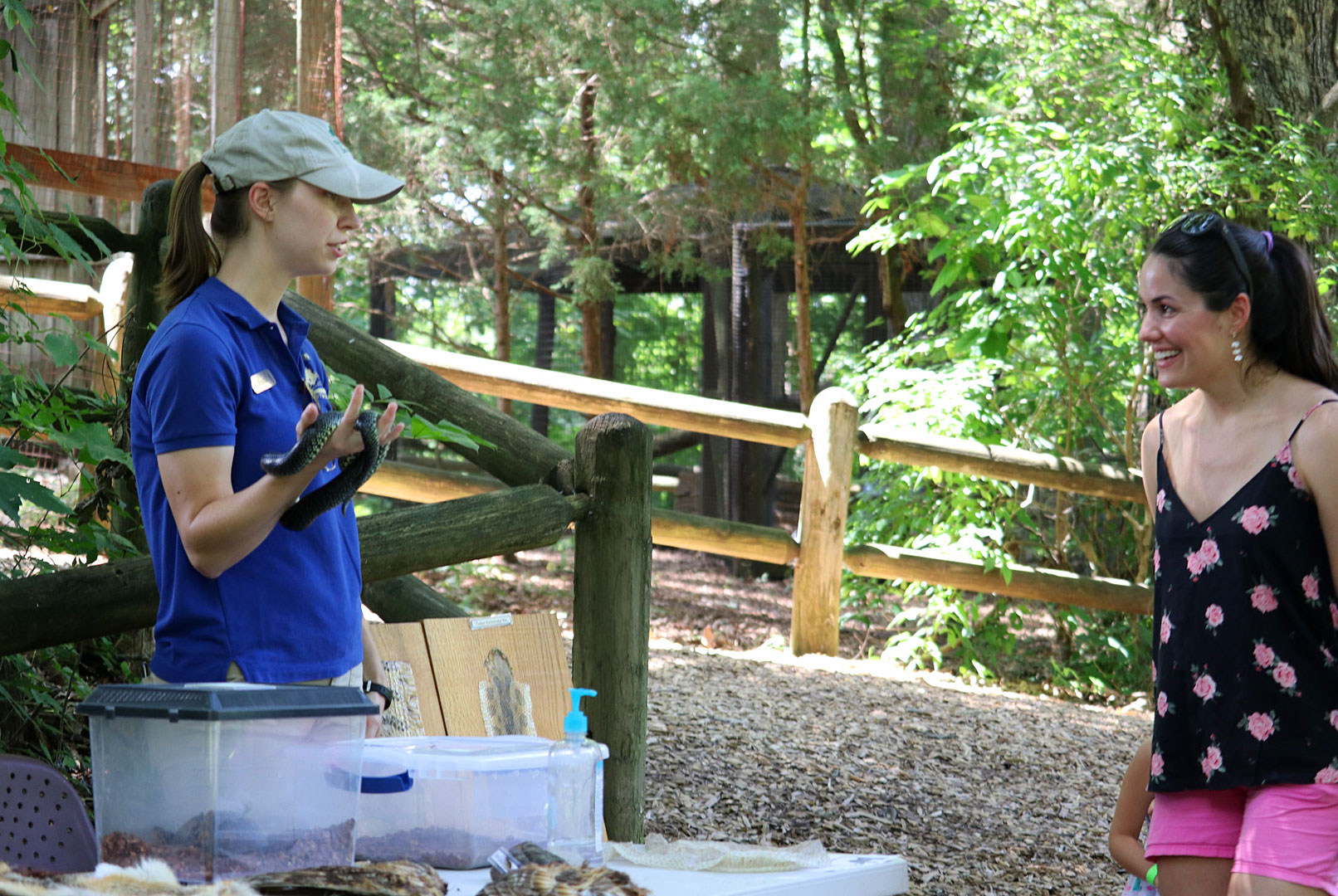
Our naturalists offer fun and educational programs to help you discover our native animals, wildlife habitats, native plants and gardens, and conservation efforts. Check out our calendar of events to find out which animals, insects, plants, or habitat we will feature the day of your visit.
Nature Station Comes to You
Did you know that you can bring the Woodlands Nature Station to your site with educational outreach programs? Live animals, natural history, event booths, and more! Programs feature rescued, native wildlife and can be offered in-person or virtual. Naturalists can travel up to 80 miles.
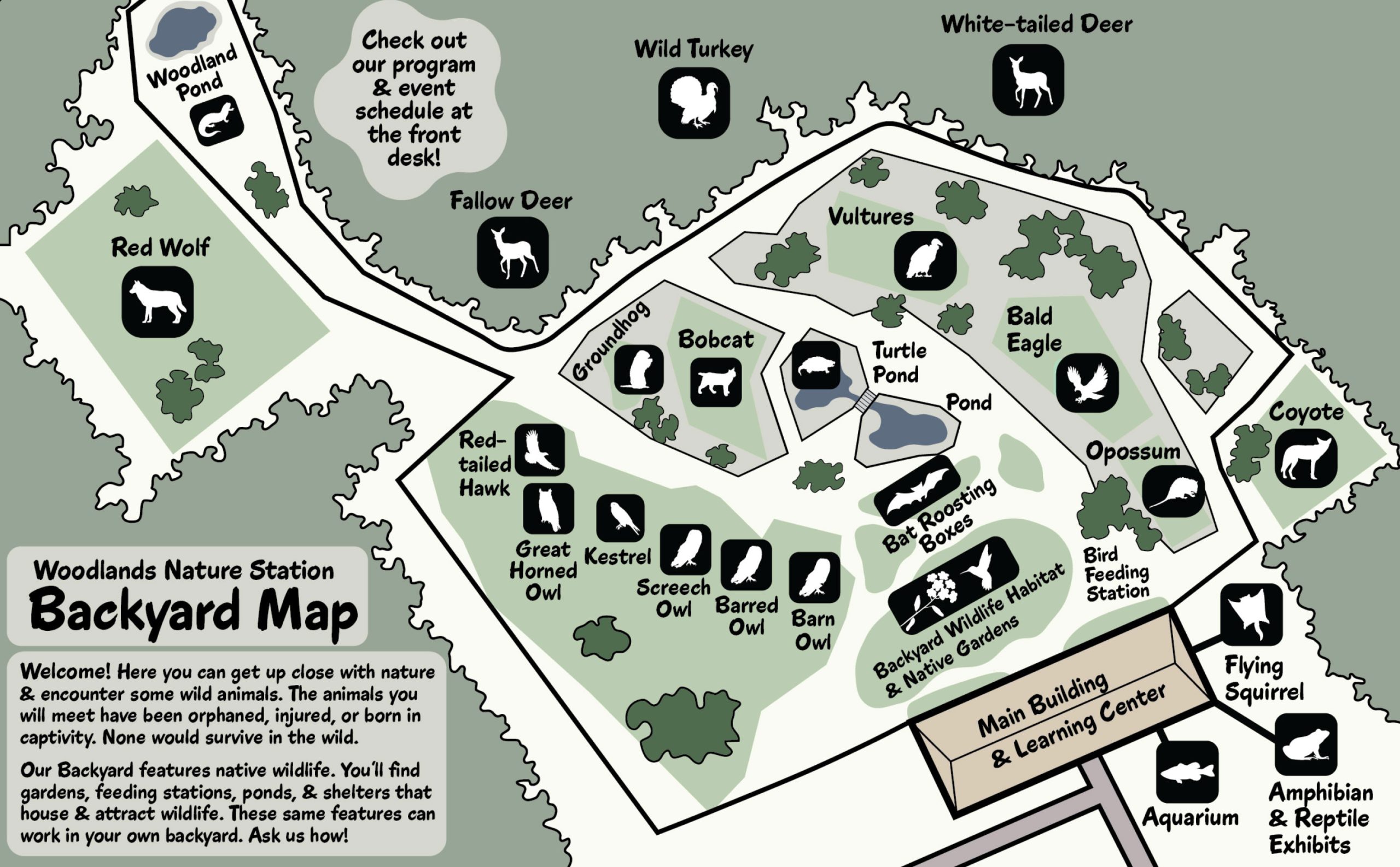
Backyard Map
Hover over markers below for location information. (Download printable version)

Red Wolf
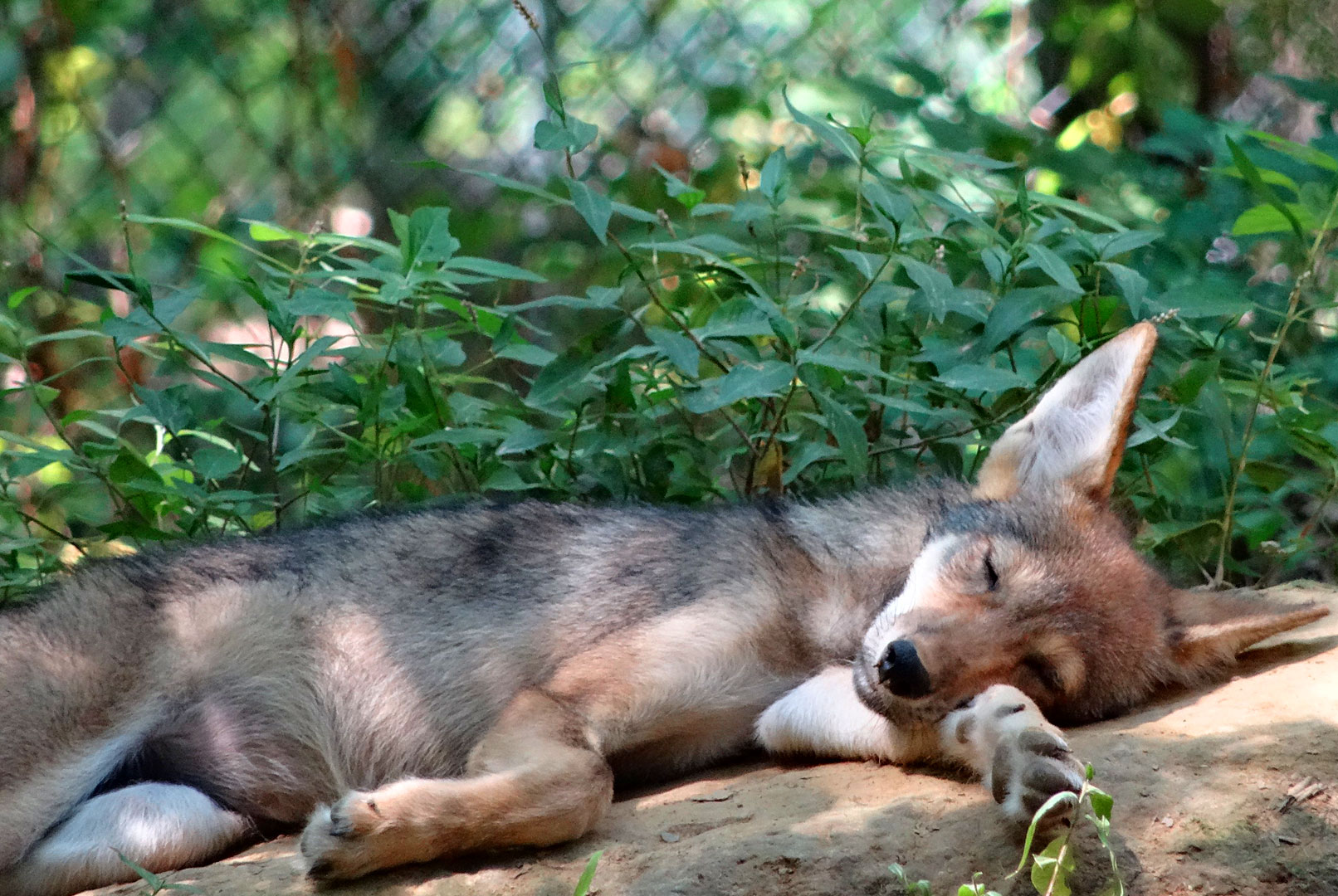
 Take a look — this is the endangered red wolf brought to near extinction by humans. Fueled by stories of “the big bad wolf,” humans have become afraid of these misunderstood animals. The red wolf is naturally shy and avoids people.

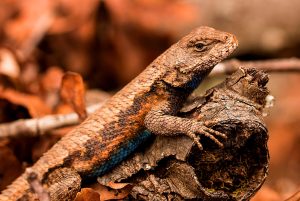
Amphibian & Reptile Exhibits

Woodland Pond
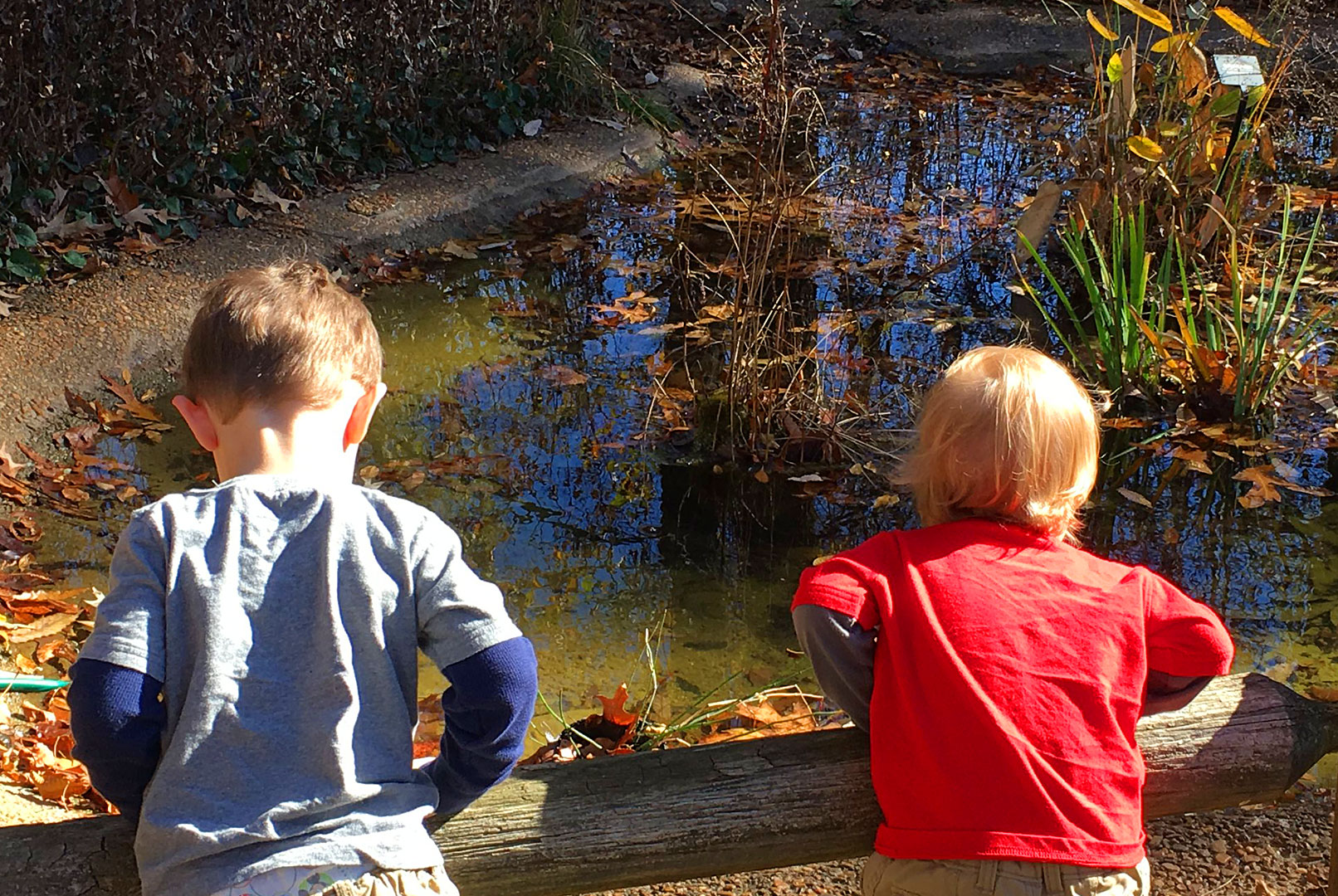
 Many animals call this mud hole “home.” In a place like this with plenty of food, water, shelter, and space, a frog might carry out its entire life cycle here. You might spot spiders, praying mantises, and other creatures in the vegetation.

Whitetailed Deer
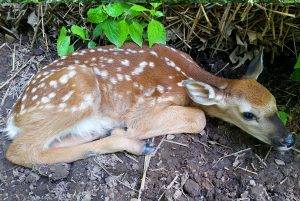 Whitetailed deer populations peaked with over 24 million deer when settlers first came to America. Due to the popularity of hides and meat, deer numbers declined to 12 million by the mid 1800s and down to 500,000 by the turn of the century.
Because of this decline, residents brought fallow deer from Europe to Land Between the Lakes in the early 1900s. A small herd of fallow deer still roam the area.
Fallow Deer
Because of the decline of white-tailed deer in the late 19th-century, residents brought fallow deer from Europe to Land Between the Lakes in the early 1900s. A small herd of fallow deer still roam the area.

Wild Turkey
Originally abundant in the region, by 1950 the wild turkey population had plummeted. Reintroduction efforts restored them to the area.

Vultures
Black vultures and turkey vultures provide a tremendous service to humans. By way of a powerful immune system and other amazing abilities, vultures help keep our environment clean by feeding on dead animals.

Bald Eagle
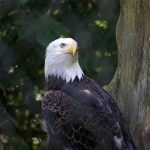 Found only in North America, you can spot a mature bald eagle by its brown body, white head, and tail. Currently over 10,000 nesting pairs live in the lower 48 states, due to national conservation efforts. In 2007, the bald eagle came off the Federal Endangered Species List — a true conservation success story!

Opossum
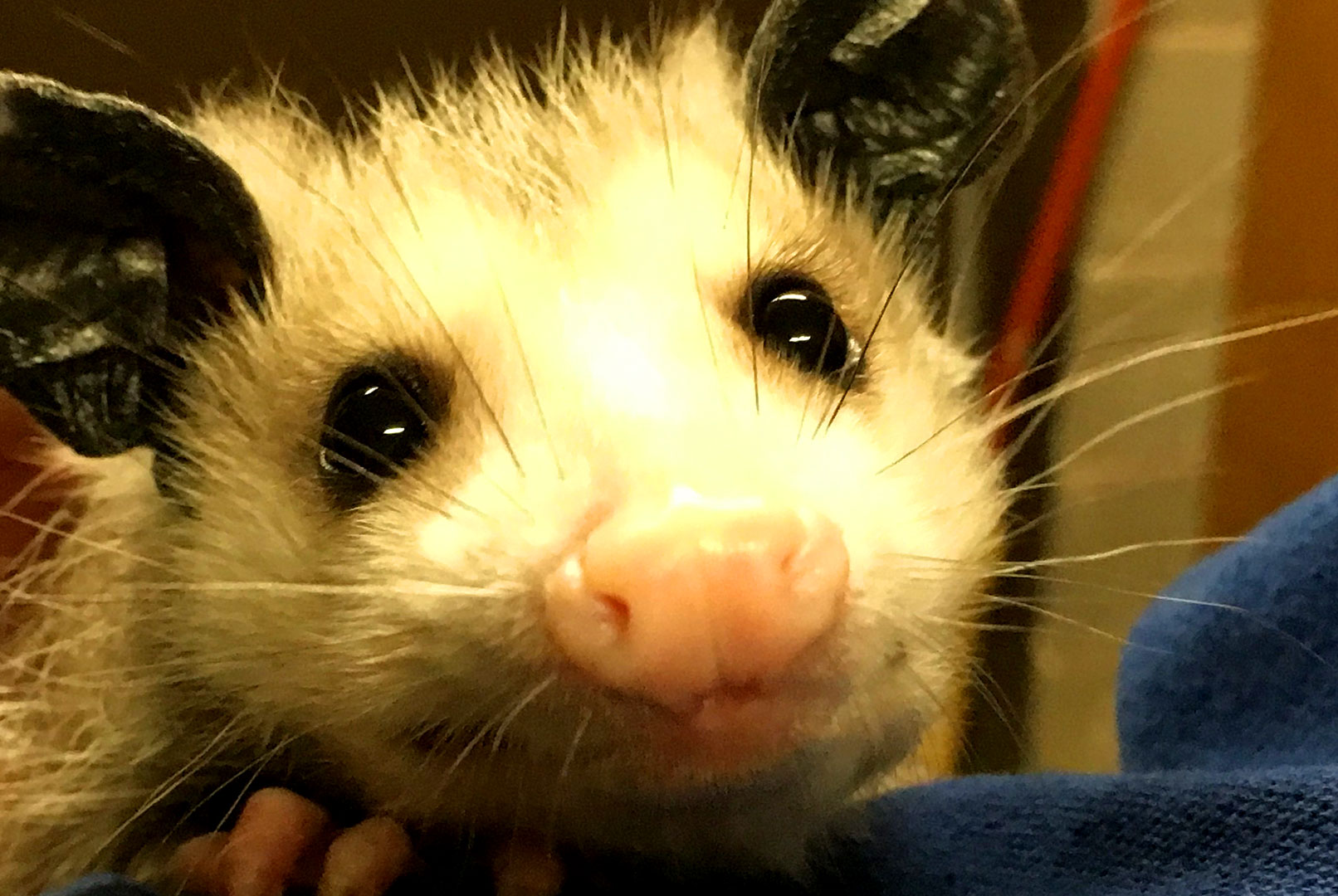
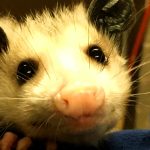 America’s only native marsupials, opossums have babies that develop in a pouch like kangaroos. At birth they’re the size of a jelly bean!

Coyote
Take a minute to watch this common nocturnal hunter and scavenger. We estimate about 400 coyotes roam Land Between the Lakes. You’ll rarely see them — only hear them. Coyotes eat almost anything and can survive in just about every habitat in North America.

Flying Squirrel
Discover the Southern Flying Squirrel, Kentucky’s elusive nocturnal glider. With large eyes and a distinctive patagium, this small creature soars through the forests, primarily in deciduous and mixed woodlands. They’re omnivorous, dining on a variety of nuts, seeds, and insects.

Aquarium
Immerse yourself in the underwater splendor of West Kentucky’s lakes and rivers at our exclusive fish exhibit. Gaze upon a rich array of fish species that call KY Lake, Barkley Lake, and the surrounding waterways home. From the agile White Crappie to the formidable Largemouth Bass, each species tells a story of adaptation and survival. This exhibit celebrates the aquatic biodiversity of Kentucky, highlighting the importance of conservation and the role these fish play in the local ecosystem.
Backyard Wildlife Habitat & Gardens
 Sit back, relax, and watch the busy flights and movements of butterflies and scores of hummingbirds attracted to our colorful blooms. We planted our gardens with native plants, which tend to be hearty and resilient compared to cultivated varieties.

Bat Roosting Boxes
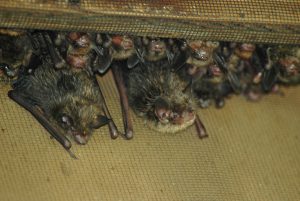 Bats can significantly reduce insect pests in your backyard. Our bat roosting boxes on display provide valuable shelter for local bat species. Look and listen closely as they may be sleeping in there right now. Ask us about white-nose syndrome that is killing bats in our region.

Barn Owl
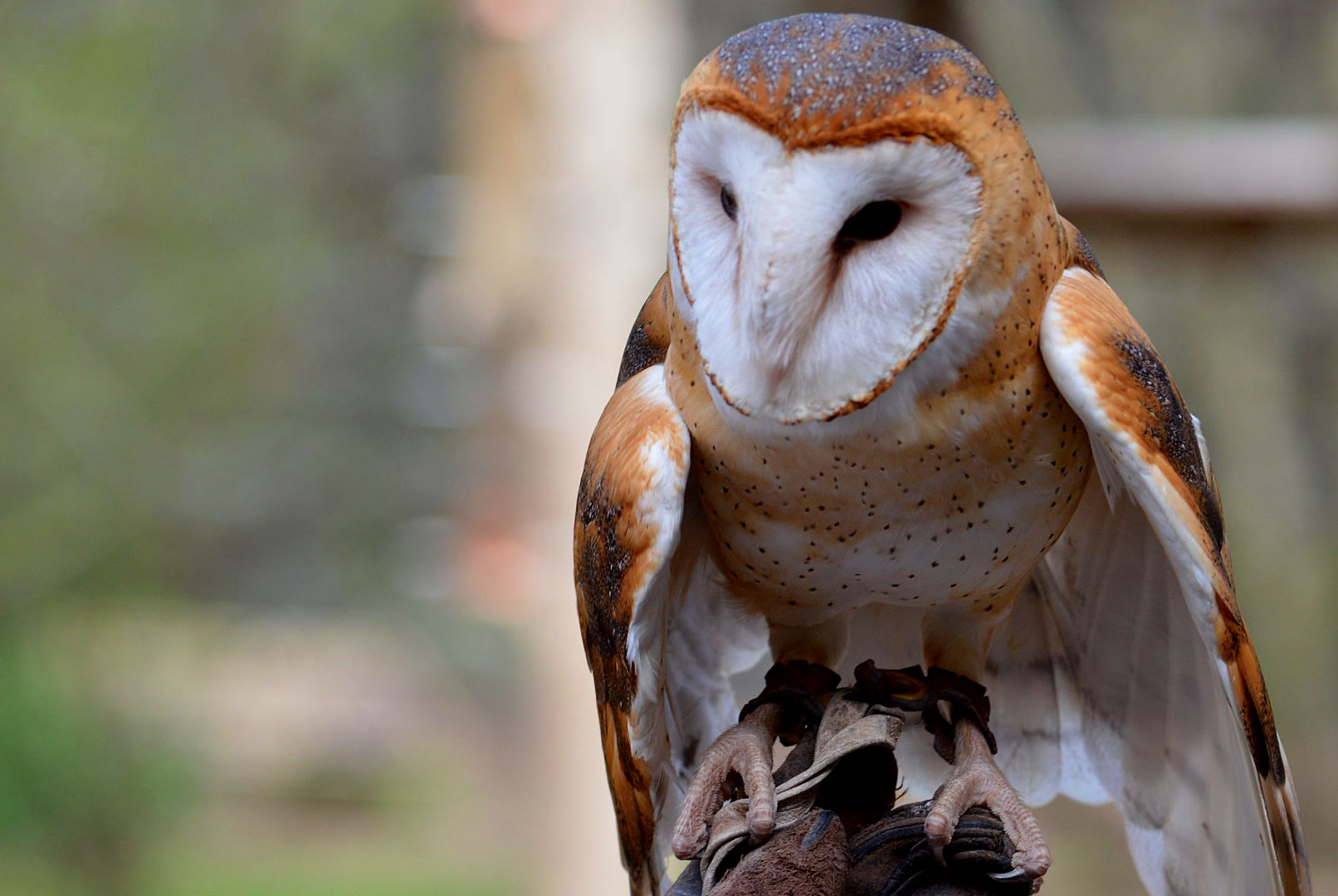
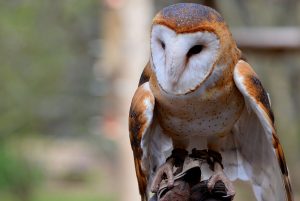 Nicknamed “ghost owl,” barn owls fly silently due to special feathers on their wings. They nest in barns and prefer to live and hunt in open fields, prairies, and even farmlands.
Barred Owl
If you hear “who cooks for you?” on a calm night at Land Between the Lakes, you probably hear the Barred Owl — the most common owl in the area. Though they look big, these owls weigh only 2 to 2 1/2 pounds due to hollow bones and lots of feathers.
Screech Owl
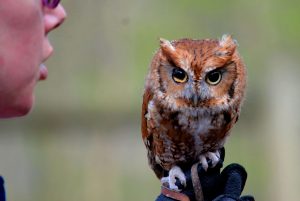 The pint-sized screech owl preys on mice and insects. You can easily attract them to your own backyard since they often use artificial nest boxes.

Kestrel
Once nicknamed “sparrow-hawk,” this small but swift falcon preys mainly on insects and mice. Although common in farm country, people often mistake them for doves or blue jays, due to their small size.
Great Horned Owl
The great horned owl earned the nickname “tiger of the sky” by being a fierce predator. Powerful feet enable this bird to catch prey three times its own size. Like many birds, great horned owls have a poor sense of smell and as a result, have a unique favorite food — skunks!

Red-Tailed Hawk
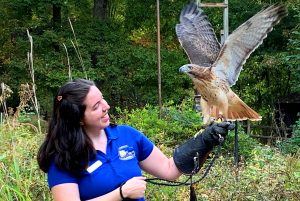
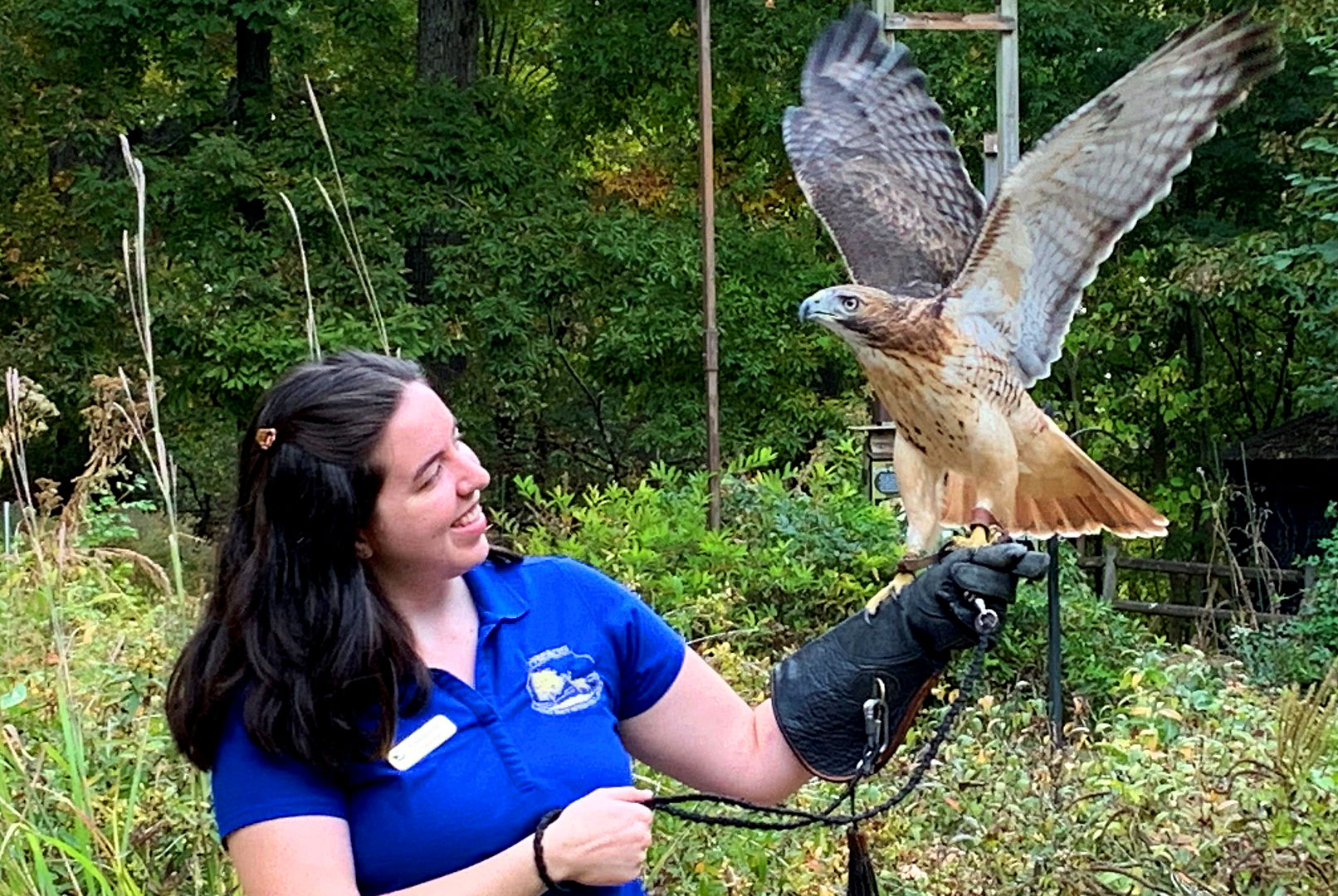
With a body shaped like an arrow, red-tailed hawks hunt and dive at great speeds to catch their prey. With excellent vision, they can see a mouse from a mile!

Groundhog
 A member of the squirrel family, the groundhog (as known as the woodchuck or whistle-pig) will drop its body temperature nearly sixty degrees, may breathe only once every six minutes, and slow its heart rate for a long winter nap — hibernation.

Bobcat
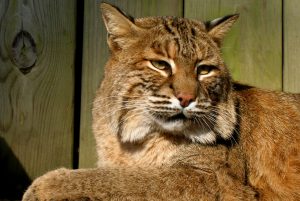 While bobcats are quite common in Land Between the Lakes, we rarely see them in the wild. These secretive and nocturnal predators try to avoid humans. The bobcat is our region’s only remaining native cat.

Turtle Pond
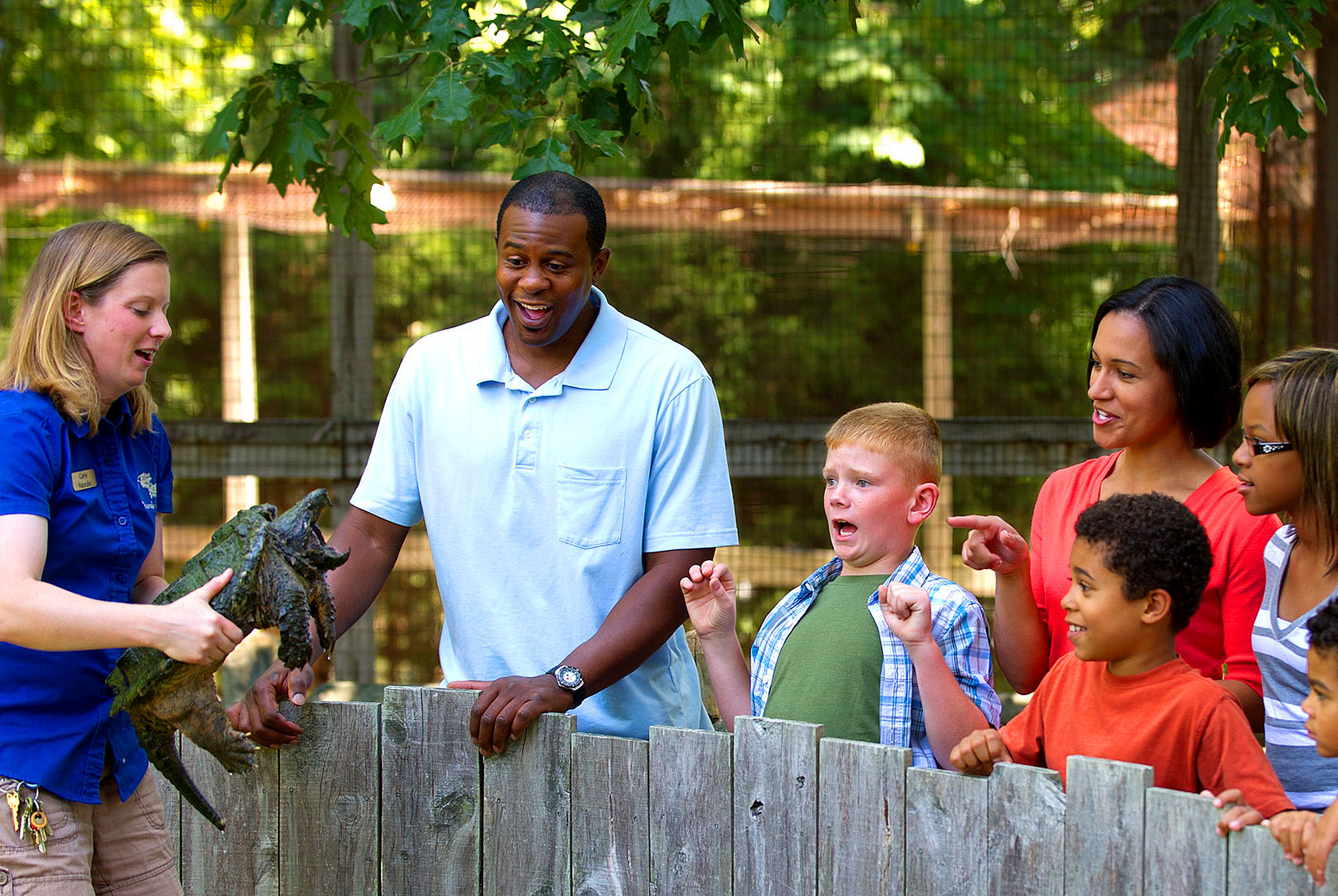
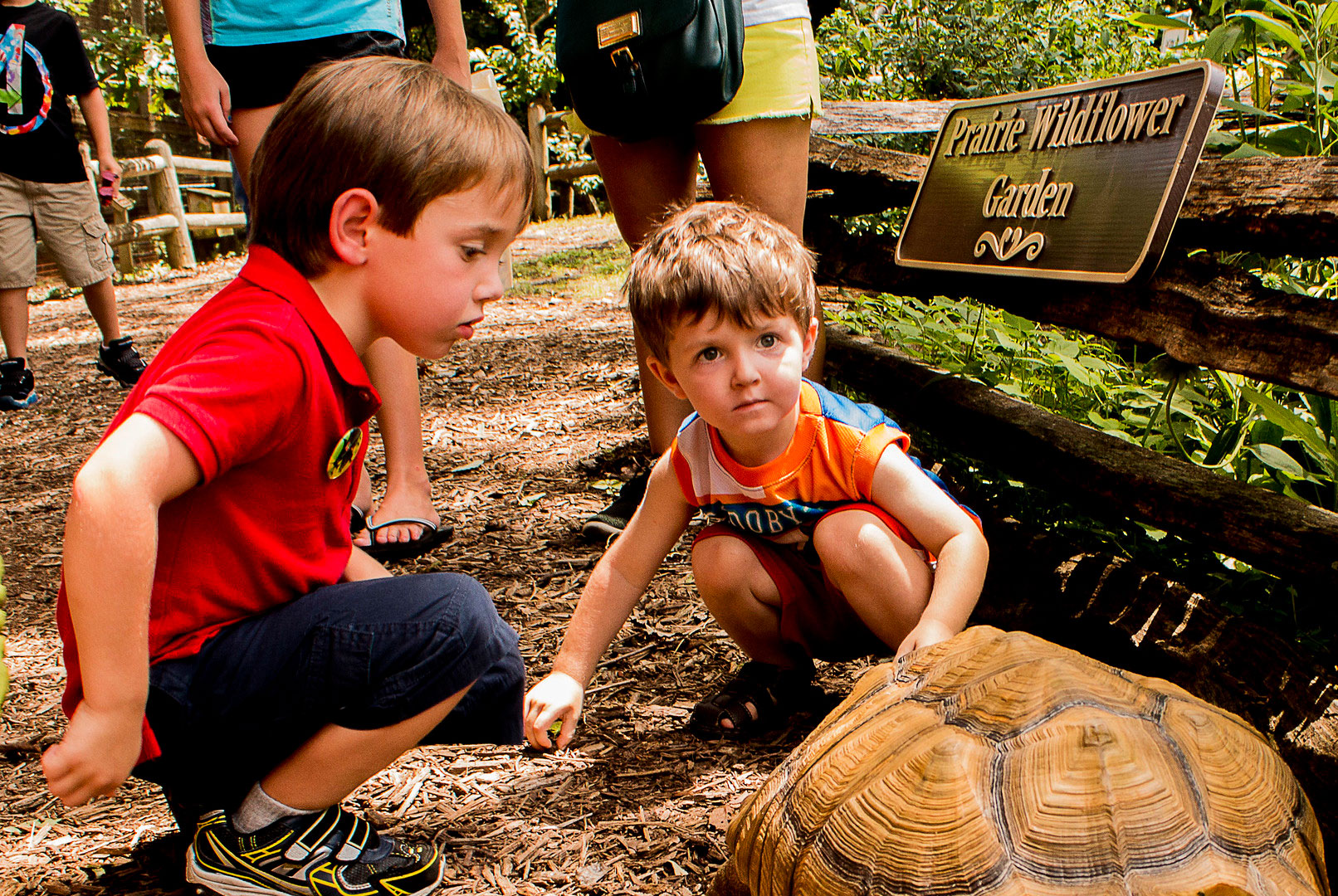
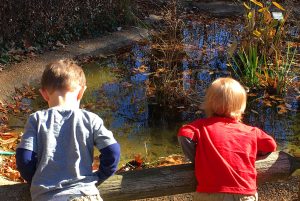 Look closely to find the common and alligator snapping turtles. By eating a variety of plants, fish, and other aquatic animals, these turtles help maintain our lakes and streams.